
Ember & Grain · Field Notes · Wood · Nº 11
Chardonnay Barrel Wood
the king’s forest
The Forest of Tronçais, France. Colbert’s oaks, Burgundy’s barrels, and the gentle smoke of white wine.
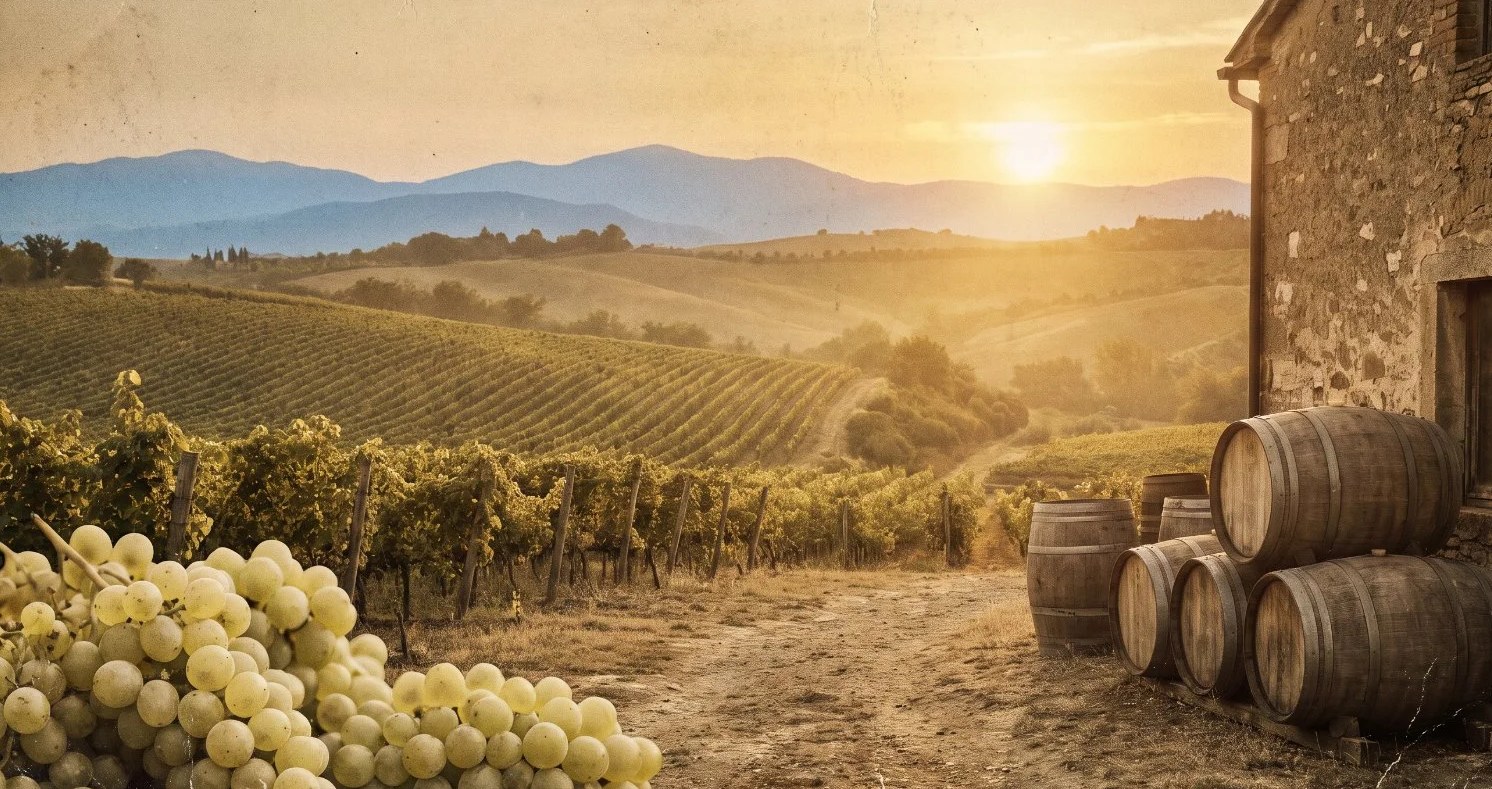
In 1669 Jean-Baptiste Colbert, minister to Louis XIV, issued a great ordinance on the forests of France. The navy needed timber, and the royal forests were to be managed for centuries, not years. Tronçais, in the old Bourbonnais, was organized as an oak forest for the ships of the future. Three and a half centuries later, its oaks are still grown the same patient way.
That patience is why Tronçais oak is among the most prized in the world. Its slow-grown, tight-grained sessile oak goes to the finest cooperages, and from there into barrels for great Chardonnay, in Burgundy and across the ocean in Napa Valley, where many of California’s finest Chardonnays rest in French oak. When those barrels are retired from the cellar, we bring them to the fire.
Planted for a navy, grown with patience, finished in wine.
On the salt
In the Atlas, Chardonnay Barrel Wood is paired with Greek Sea Salt.
Field notes
| Also known as | Sessile oak · durmast oak |
| Tree | Quercus petraea, beech family |
| Forest | 10,600 ha; crown land since 1527 |
| Home | Tronçais · 46°40′ N |
| Barrel | Burgundy pièce, 228 liters |
| Smoke | Mild, sweet, subtle · 2 of 5 |
| On the salt | Greek Sea Salt · Vol. I, Nº 05 |
Continue in The Origins Atlas
The rest of this chapter lives in the book: the full story of the place, how the wood burns, the people who keep the tradition, and the hand-drawn map.
- The Place · a forest of oak
- The Barrel · from forest to fire
- The Taste · soft and subtle
Sources: Wikipedia, “Forest of Tronçais”; L’Info Durable; Pleinchamp; International Wine & Food Society. Imagery is illustrative and AI-generated.