
Ember & Grain · Field Notes · Wood · Nº 02
Pecan Wood
the river nut tree
San Saba, Texas. River-bottom groves, an English nurseryman, and the gentle cousin of hickory.
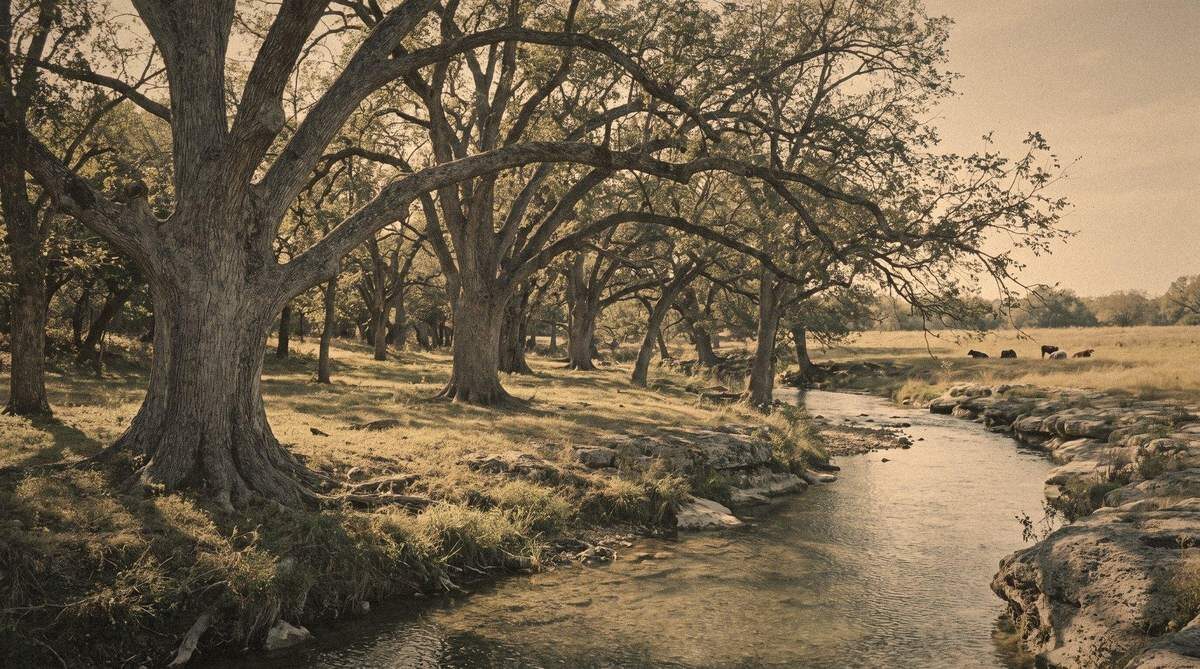
Pecans grew wild along the rivers of Texas long before anyone planted one. In 1874 a young Englishman named Edmond Risien came to San Saba County. He found a tree whose nuts beat any he had seen, bought it and the land under it, and began to breed from it, carrying pollen in his saddlebags. The varieties he raised went out across the pecan country of the South.
A nut that takes a stone to crack, and a gentle fire.
On the salt
In the Atlas, Pecan Wood is paired with Sal de Colima.
Pecan Wood · Field notes
| Also known as | Pecan hickory |
| Tree | Carya illinoinensis, walnut family |
| Native to | Mississippi Valley to Texas |
| Home | San Saba, Tex. · 31°12′ N |
| State tree | Texas, since 1919 |
| Smoke | Mild, nutty, sweet · 3 of 5 |
| On the salt | Sal de Colima · E&G Pecan |
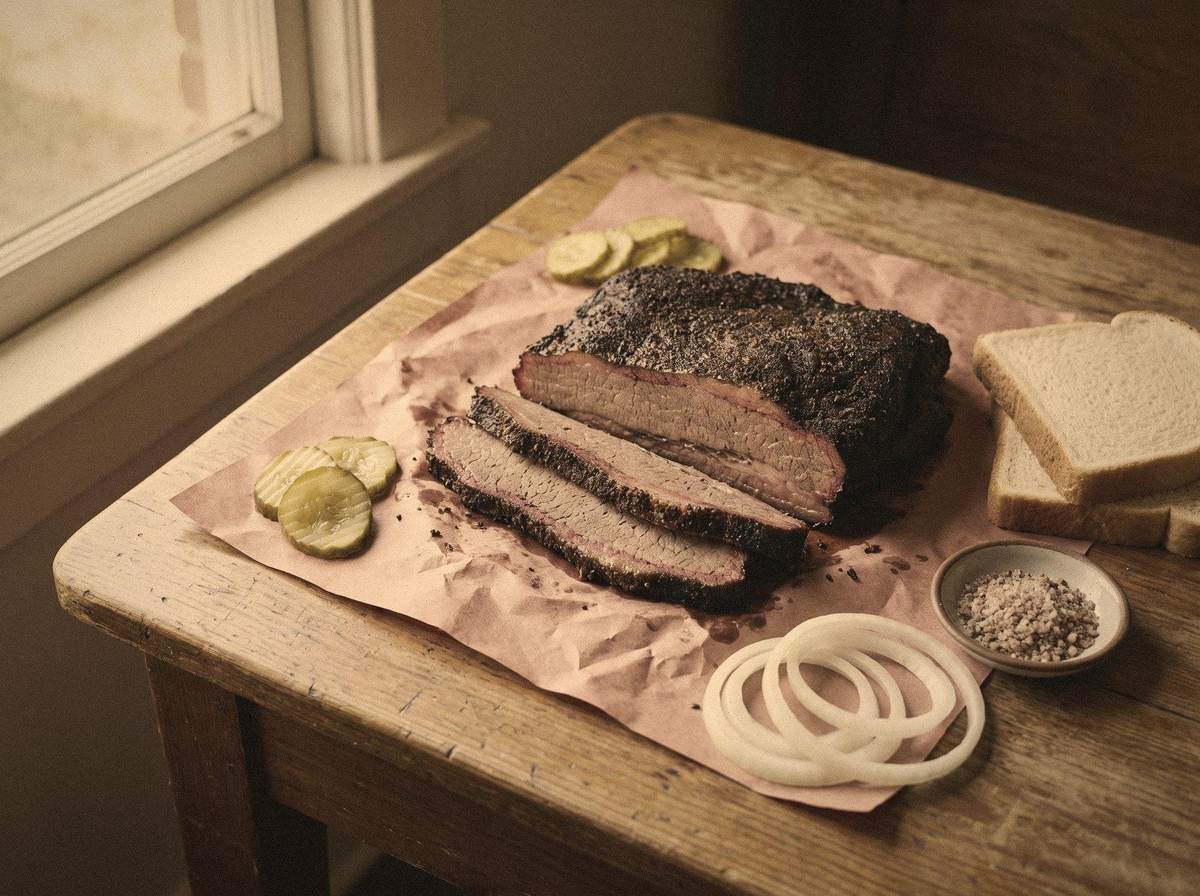
Continue in The Origins Atlas
The rest of this chapter lives in the book: the full story of the place, how the wood burns, the people who keep the tradition, and the hand-drawn map.
- The Place · where two rivers meet
- The Fire · the gentle hickory
- The Taste · mild and nutty
Sources: Texas Historical Commission, “E. E. Risien”; Texas A&M Forest Service; USDA Forest Service, Silvics of North America; Dictionary.com, “pecan.” Imagery is illustrative and AI-generated.